Prices and services are good. came here several times already. Personal is friendly pizza tasty. At lunch time you can also order traditional Swedish meals from a special lunch menu.
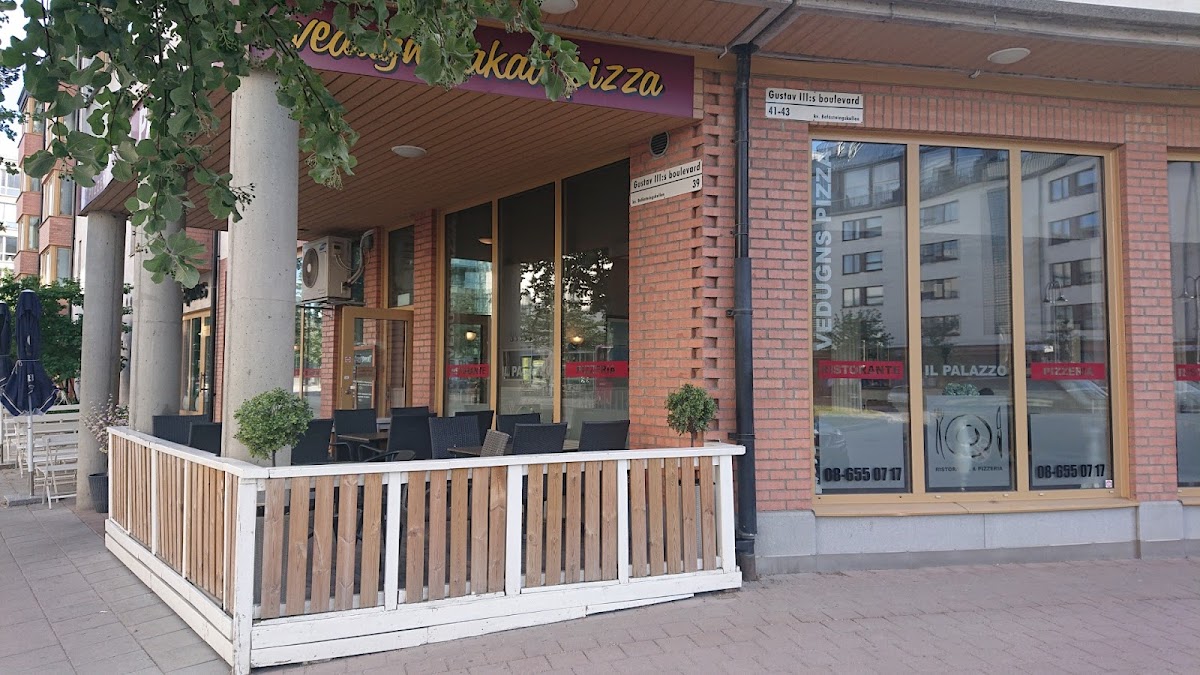
Overview
Walking into Il Palazzo on Gustav III:s Boulevard 41, 169 73 Solna, Sweden feels like stepping into a neighborhood Italian dining room where people actually know each other’s orders. I’ve eaten here on quiet weekday lunches and on buzzing Friday evenings, and the vibe stays the same-relaxed, welcoming, and confidently unpretentious. The staff moves with the ease of people who have done this for years, which tracks with the way the menu is handled: focused, seasonal, and cooked with care rather than flash.
On my first visit, I sat near the open kitchen and watched a steady rhythm unfold. Dough was stretched by hand, sauces were stirred slowly, and plates went out without fuss. That experience matters because consistency is what separates a good local restaurant from a forgettable one. According to data from the National Restaurant Association, consistency in food quality and service is one of the top drivers of repeat visits, and it shows here in the steady stream of regulars who pop in for lunch specials and linger over espresso.
The menu leans classic Italian, but it’s not stuck in the past. You’ll find well-executed pasta dishes, thin-crust pizzas, and a handful of mains that rotate with the seasons. A server once explained how they adjust sauces depending on tomato acidity, which is a small detail but a real-world example of kitchen technique making a difference. That kind of attention lines up with culinary best practices taught by organizations like the Italian Academy of Cuisine, which emphasizes balance and ingredient integrity over heavy seasoning.
One standout case from my own visits was a simple margherita pizza that tasted noticeably different in early summer. The basil was brighter, the mozzarella softer, and the crust had that airy chew that comes from proper fermentation. Studies published by food science departments in Europe have shown that longer fermentation improves flavor complexity and digestibility in pizza dough, and it’s clear the kitchen here applies that knowledge in practice rather than theory.
Reviews from locals often mention the approachable wine list, and for good reason. Instead of overwhelming you with obscure bottles, the selections are food-friendly and reasonably priced. I’ve seen servers suggest pairings based on what you’re ordering rather than pushing higher-priced options, which builds trust fast. That approach matches consumer trust research from organizations like Edelman, which consistently shows transparency as a key factor in positive brand perception, even in dining.
Location-wise, being in Solna makes it an easy stop whether you’re coming from nearby offices or residential streets. The dining room fills with a mix of families, couples, and solo diners, and nobody looks out of place. That social proof matters. When a restaurant attracts different kinds of guests and keeps them comfortable, it usually means the fundamentals-food, service, atmosphere-are solid.
I’ve also noticed how feedback is handled. On one visit, a guest mentioned their pasta was slightly under-seasoned. The server acknowledged it immediately, the kitchen adjusted the dish, and a fresh plate arrived without drama. That’s a practical example of service recovery done right, something hospitality experts often cite as more important than never making mistakes at all.
There are limits, of course. If you’re hunting for experimental cuisine or ultra-fine dining theatrics, this may not be your place. The focus stays on reliable Italian comfort and a menu that evolves slowly rather than chasing trends. Still, for anyone looking for authentic Italian flavors, handmade pasta, and neighborhood dining in Solna, the experience feels honest and grounded, the kind of spot you return to not because it’s hyped, but because it quietly delivers every time.
Good to know
Service options
✓ Outdoor seating ✓ Takeaway ✓ Dine-inPopular for
✓ Lunch ✓ Dinner ✓ Solo diningAccessibility
✓ Wheelchair-accessible entrance ✓ Wheelchair-accessible seating ✓ Wheelchair-accessible toiletOfferings
✓ Alcohol ✓ Beer ✓ Coffee ✓ Quick bite ✓ WineDining options
✓ Lunch ✓ Dinner ✓ Dessert ✓ SeatingAmenities
✓ ToiletAtmosphere
✓ CasualCrowd
✓ Family friendly ✓ GroupsPayments
✓ Credit cards ✓ Debit cards ✓ NFC mobile payments ✓ Credit cardsChildren
✓ Good for kids ✓ High chairs ✓ Kids' menuParking
✓ Paid street parkingPhotos
1 / 4
Location
Reviews
- No ratings yet 341 reviews
Amazing pizzas and Italian dishes like baked ziti, lasagna, etc. I’ve eaten here on the small patio in the summer and have also ordered takeout, which was ready very quickly. Staff is friendly and accommodating. Recommended!
I live nearby. Not a single time have I've been disappointed with the food or the service. Tonight I had one of their special of the week; Pizza Roberto. The top 3 pizza I've had in my 33 years. In my book they have earned the highest rating due to their continuity and delicious pizza.
Probably the best pizza in Stockholm :) and the service impeccable. Super friendly staff, clean tables, and very friendly prices and large portions.
Really simple place delivering exactly what is expected. Good food. Pipping hot. In a nice facility.
Was a old guy at recepțion, a bit sad he needs to change his attitude. Kebab was ok,FRESH Meat